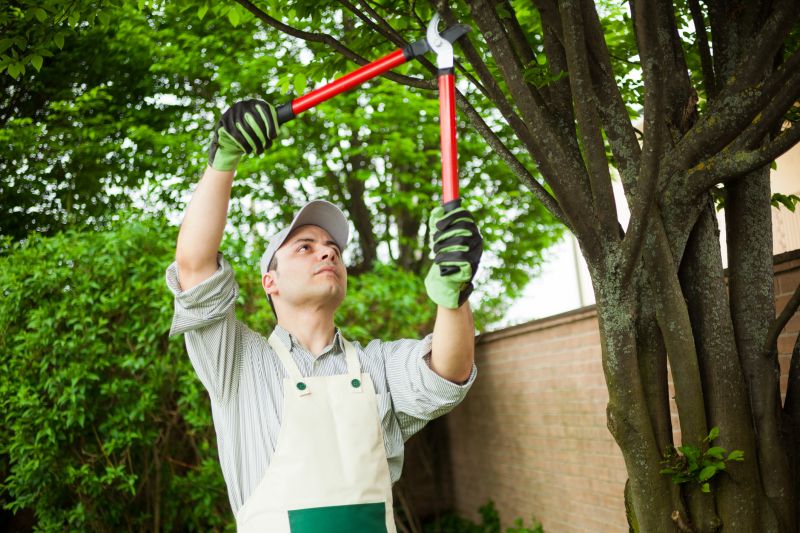
Pear Tree Pruning in Doylestown, PA
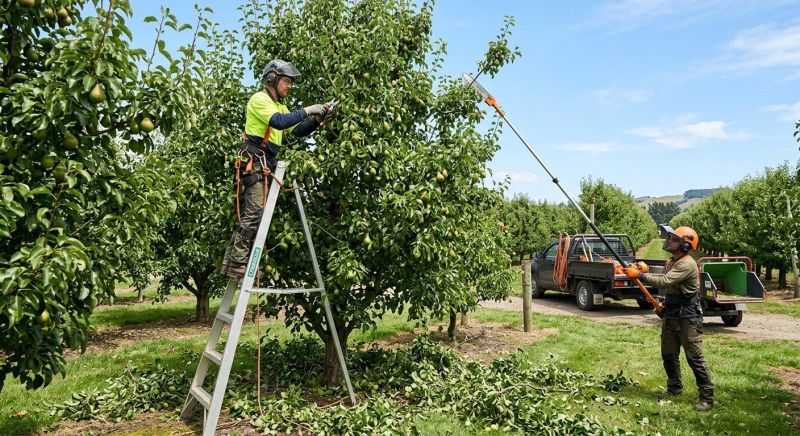
Pear Tree Pruning services involve the careful trimming and shaping of trees to promote healthy growth, improve appearance, and maintain safety on residential properties. These projects can include removing dead or diseased branches, reducing the size of overgrown trees, and shaping foliage to enhance curb appeal. Homeowners typically seek pruning services to prevent potential hazards caused by falling branches, to encourage fruit production, or to ensure their trees do not interfere with power lines or structures. Before requesting pruning, property owners should consider the specific goals for their trees, such as aesthetic shaping or health maintenance, and be aware of the current condition of the trees to determine the extent of pruning needed.
Understanding the type and age of the trees, as well as any nearby structures or utilities, can influence the scope of pruning required. It’s also helpful to know if the trees have any signs of disease or pest infestation, which may require specialized care. Proper pruning not only enhances the visual appeal of the landscape but also supports the long-term health of the trees. Property owners are encouraged to communicate their expectations clearly and consider the best timing for pruning to ensure optimal results and minimal disruption to the landscape.
Many property owners in Doylestown, PA look into Pear Tree Pruning for repairs, replacements, upgrades, and appearance-related improvements.
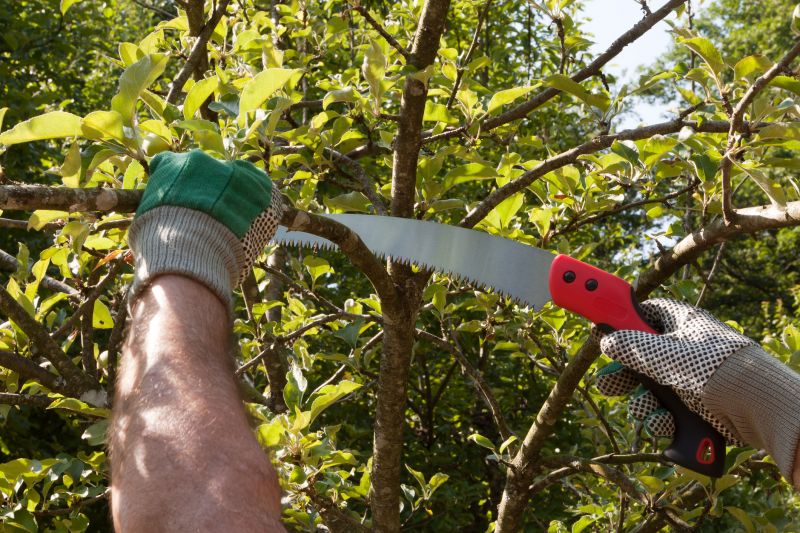
Tree Health And Growth
Proper pruning encourages healthy development and maintains the structure of pear trees.
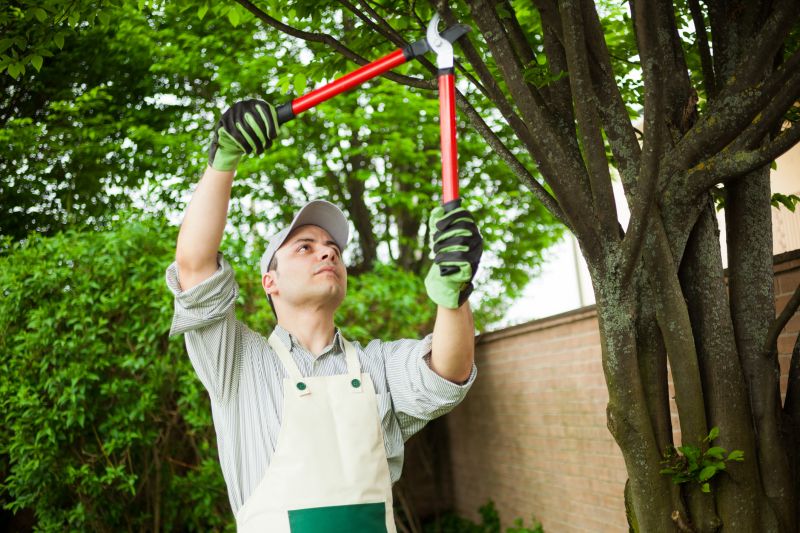
Safety And Clearance
Pruning removes hazardous branches and creates safe pathways around property and utility lines.
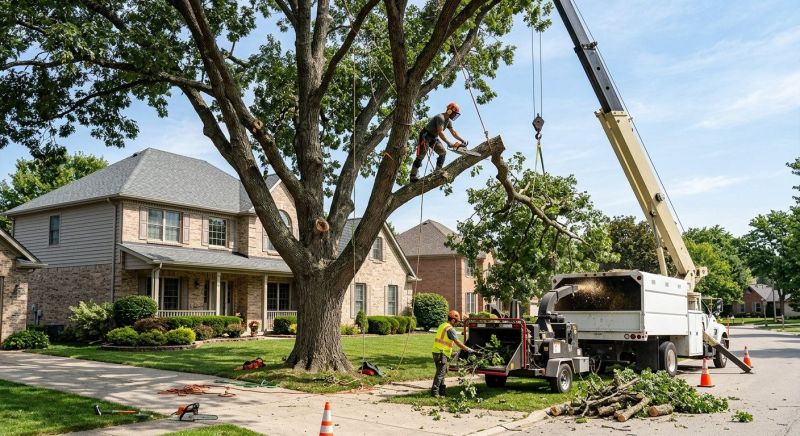
Aesthetic Enhancement
Shaping pear trees improves their appearance and complements the overall landscape of homes and gardens in doylestown.
Pear Tree Pruning in Doylestown, PA

Pear Tree Pruning services involve the careful trimming and shaping of trees to promote healthy growth, improve appearance, and maintain safety on residential properties. These projects can include removing dead or diseased branches, reducing the size of overgrown trees, and shaping foliage to enhance curb appeal. Homeowners typically seek pruning services to prevent potential hazards caused by falling branches, to encourage fruit production, or to ensure their trees do not interfere with power lines or structures. Before requesting pruning, property owners should consider the specific goals for their trees, such as aesthetic shaping or health maintenance, and be aware of the current condition of the trees to determine the extent of pruning needed.
Understanding the type and age of the trees, as well as any nearby structures or utilities, can influence the scope of pruning required. It’s also helpful to know if the trees have any signs of disease or pest infestation, which may require specialized care. Proper pruning not only enhances the visual appeal of the landscape but also supports the long-term health of the trees. Property owners are encouraged to communicate their expectations clearly and consider the best timing for pruning to ensure optimal results and minimal disruption to the landscape.
Many property owners in Doylestown, PA look into Pear Tree Pruning for repairs, replacements, upgrades, and appearance-related improvements.
Common Pear Tree Pruning Jobs
Tree pruning - shaping and thinning trees to improve health and appearance.
Deadwood removal - eliminating broken or diseased branches to prevent damage.
Fruit tree pruning - encouraging better fruit production and easier harvesting.
Crown reduction - reducing tree height and spread for safety and clearance.
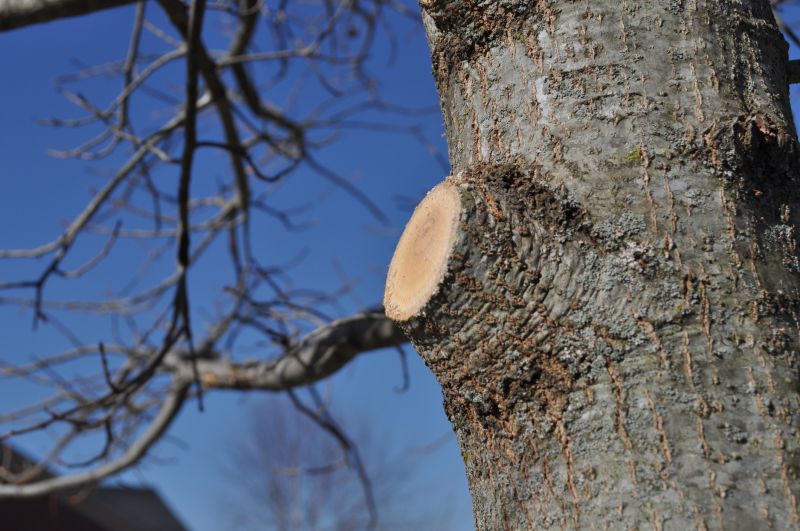
Structural pruning - strengthening branch structure to reduce risk of failure.
Formative pruning - guiding young trees to develop a strong, healthy shape.
Pear Tree Pruning Questions
What is pear tree pruning? Pear tree pruning involves removing certain branches to promote healthy growth, improve fruit production, and maintain the tree's shape.
When is the best time to prune a pear tree? The ideal time to prune a pear tree is during late winter or early spring before new growth begins.
Why should homeowners consider professional pear tree pruning? Professionals can ensure proper technique to prevent damage, reduce disease risk, and enhance the tree’s overall health and appearance.
What types of pruning are common for pear trees? Common methods include thinning to increase airflow, heading cuts to control size, and removing dead or diseased branches.
Request Pear Tree Pruning in Doylestown, PA
Use the quote form on this page to share the basics of your project and request more information for the type of work you need.